SENTINEL CRISIS UPDATE — 16 July 2026
FACT-BASED ANALYSIS: Energy, Security, and AI in the Shadow of War
THE CEASEFIRE REALITY: A Pause, Not a Reset
Stopping airstrikes and halting direct hostilities does not reverse months of cascading disruption:
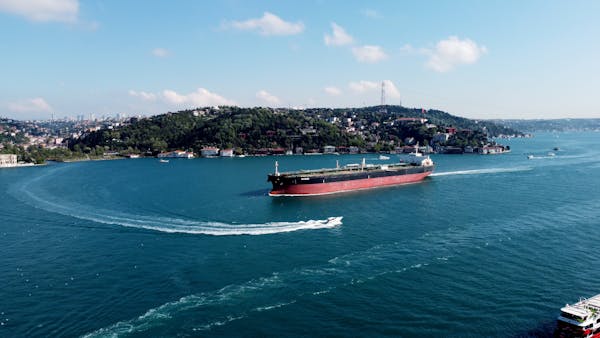
Strait of Hormuz remains closed: Iran’s mining and toll make rapid oil resumption impossible.
400+ tankers stranded: No oil/gas exports from the Gulf since early April, despite "ceasefire."
AWS Gulf data centers hard down: Four facilities destroyed; no recovery timeline.
Oil sits at $112+/bbl: Reflects unfixed structural deficits, not just war fears.
Ukraine–Russia oil war escalates: Ukraine’s destruction of Russian oil export capacity continues outside ME-Iran ceasefire terms.
Critical infrastructure and nuclear safety: The strike on Bushehr and threats to Fordow are not erased by negotiation.
Stoppage of bombings ≠ restoration of supply chains or trust. Damage is locked in.
THE CHAIN: How 32 Days Changed Everything
1. Early March—Hormuz Crisis Ignites
Iran closes Hormuz, mines sea lanes, and imposes $1/bbl Bitcoin fee.
400+ tankers blocked; global oil supply immediately constricted.
Maersk and other firms suspend Gulf traffic.
2. AWS Data Center Attacks
4 facilities destroyed (2 UAE, 2 Bahrain); hard shutdown of Amazon’s entire ME cloud region.
Enterprise, government, and AI-dependent services offline for months.
3. Nuclear Escalation
Bushehr reactor struck (April 4): Raises radiological hazard for Iran/the Gulf.
Reactor output disrupted; partial "dirty bomb" risk if secondary attacks occur.
4. Ukraine–Russia Oil Infrastructure War Accelerates
15 Russian strategic facilities destroyed in March 2026 alone.
81 attacks in 2025; ~10–20% Russian refining lost.
Russian Baltic ports hit: Ust-Luga and Primorsk terminals damaged, further reducing global oil exports.
5. Insurance, Shipping, and Financial Cascade
Energy, shipping, and cyber-insurance premiums jump 3–6x.
Persian Gulf shipping lanes uninsurable.
Strike risk repriced globally; some insurers stopped underwriting entire Gulf region.
6. Humanitarian/Economic Fallout Growing
Sharpest energy price shock since 1973.
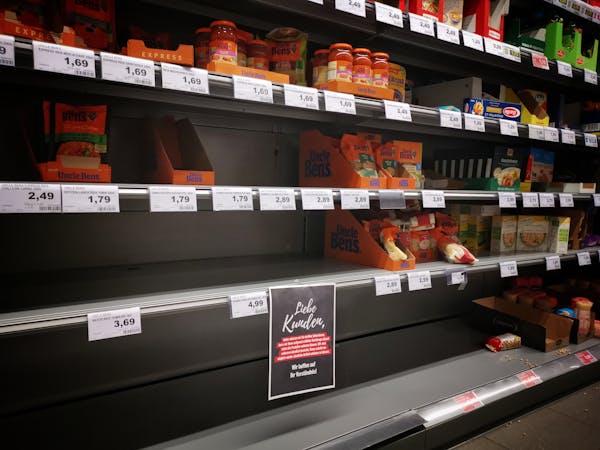
Food, power, and transport costs soar across all importing regions.
Supply lead times (spare parts, medtech, semiconductors) hit 80–140 days.
Poor states face biggest impact: fuel scarcity, food stress, inflation spikes.
WHAT THIS MEANS FOR PEOPLE
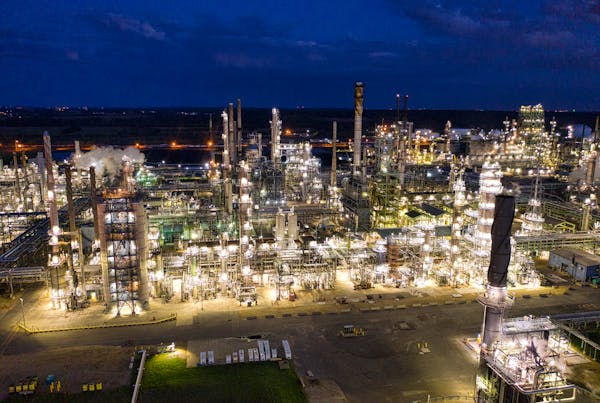
Energy prices are NOT going back down soon: Even with peace, lost Gulf/Russian output (~10 million bpd) will take months/years to restore.
Persistent inflation: Oil-dependent goods/services (food, fertilizer, transport) cost more regardless of new deals or ceasefires.
Supply chain delays: Gulf ports and damaged AI/cloud backbones won’t recover for at least 6–18 months.
Insurance and trust crisis: Businesses and governments pay more to protect assets, meaning pass-through costs for everyone.
Fragile humanitarian access: Aid agencies stuck; relief for Yemen, Lebanon, Syria slows as logistics break.
WHAT THIS MEANS FOR AI
Middle East AI/Cloud infrastructure is irrecoverably setback:
Entire AWS ME region (Gulf) is hard down with zero redundancy.
Enterprise and government AI systems that relied on AWS are offline or crippled.
New deployments must shift to Europe, Asia, or N. America—costly, slow.
Possible timeline for ME AWS recovery: 6–18 months, best case.
Data loss, not just downtime: Some state/nonprofit databases are unrecoverable.
AI-dependent services disrupted: Logistics, trade, health analytics users face gaps in data and functionality.
Trust shock: Renewed focus on sovereign data control and backup cold storage for critical services.
THE WINDOW: What Happens When the Ceasefire Ends?
If talks fail: Hormuz remains shut, Iran may escalate to missile strikes or sabotage.
US and Allies may forcibly clear mines: Risks direct Iran-US escalation.
Hezbollah-Houthi actions escalate regional conflict: Bab el-Mandeb closure possible, compounding shipping crisis.
Global supply chains stay broken; no quick fix.
Persistent risk of nuclear escalation: Another strike on Bushehr or Fordow could cause widespread contamination.
WHAT BOTH KINDS NEED NOW
For People & Governments
Immediate:
Secure alternate oil/gas routes (West Africa, North Sea, Latin America)—collaborative procurement / mutual aid.
Tighten cyber-physical security for nuclear, infrastructure, and cloud.
Expand human aid bridges (food, fuel access, humanitarian corridors).
Medium-term:
Stockpile essentials: Food, medicine, generator fuel, critical spares.
Prioritize rapid insurance solutions (public sector underwriting/buffer funds).
For AI & Digital
Immediate:
Failover to alternate cloud regions; hybridize local/offline backups.
Critical nations/enterprises must re-audit AI dependency for continuity and resilience gaps.
Medium-term:
Rebuild cloud/data infrastructure with geographic and physical hardening.
Embed AI into crisis management (distributed supply alerts, logistics, early warning).
BOTTOM LINE:
The "pause button" of ceasefire doesn't erase the months-to-years of hard infrastructure, economic, and trust damage. World oil, AI, and logistics will operate in shock mode—no matter what happens in Islamabad—deep into 2027.